Est. 2022 · Based at Harvard College
A prosthetic socket that fits anyone.
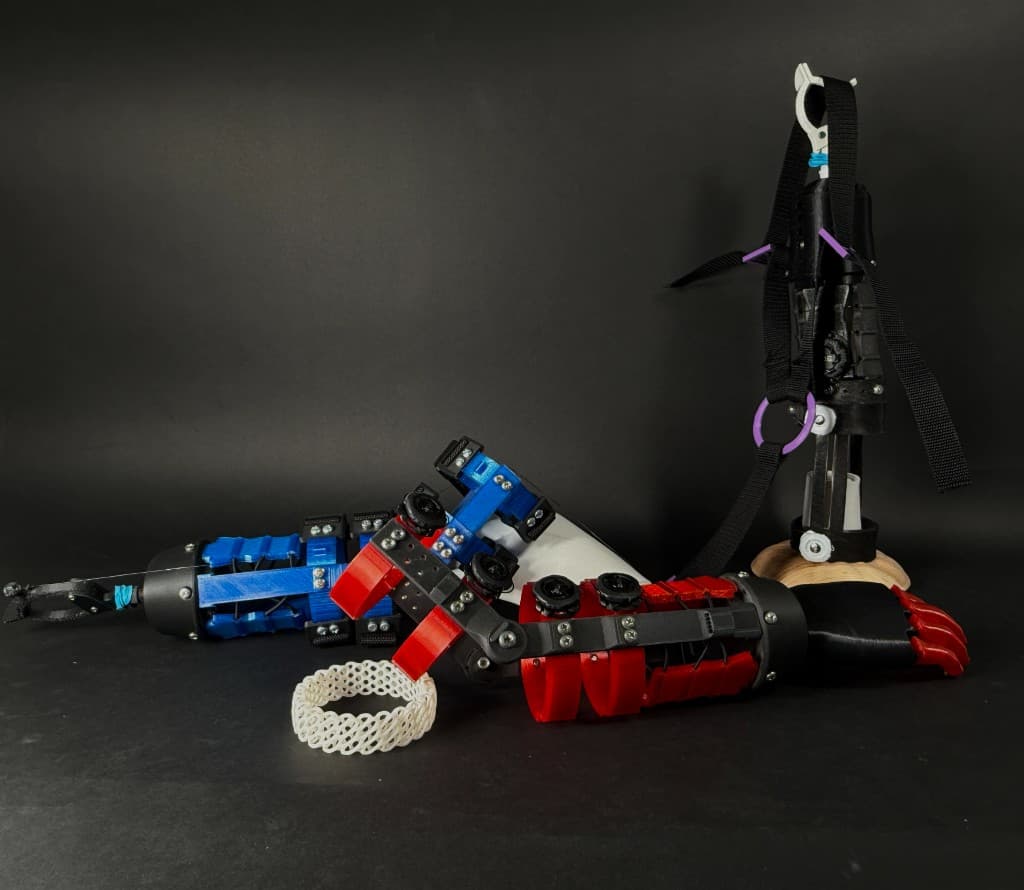
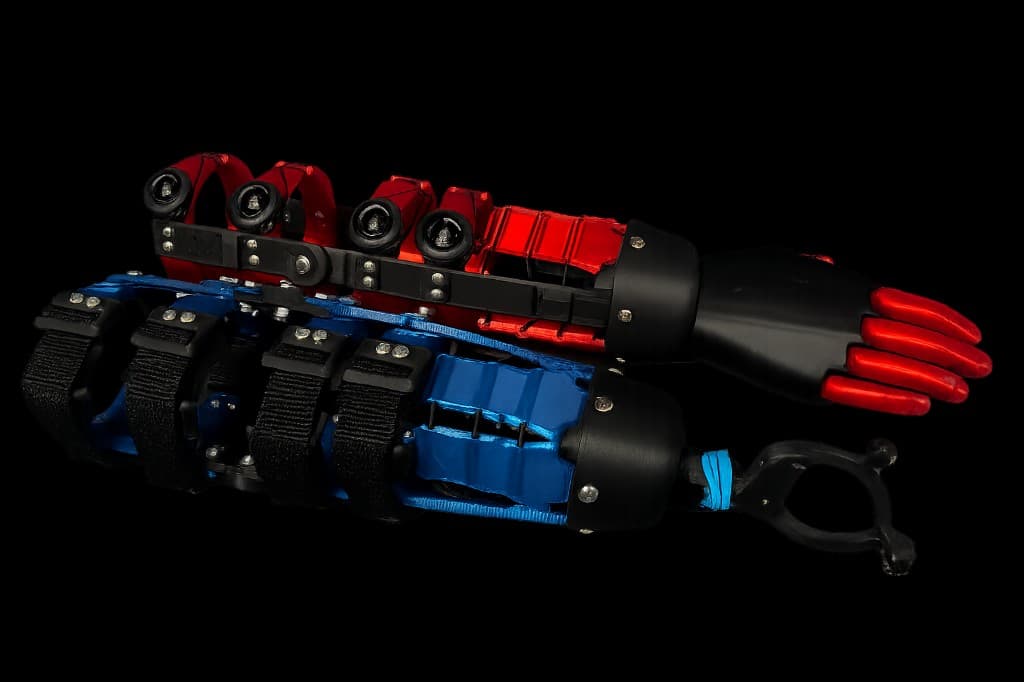
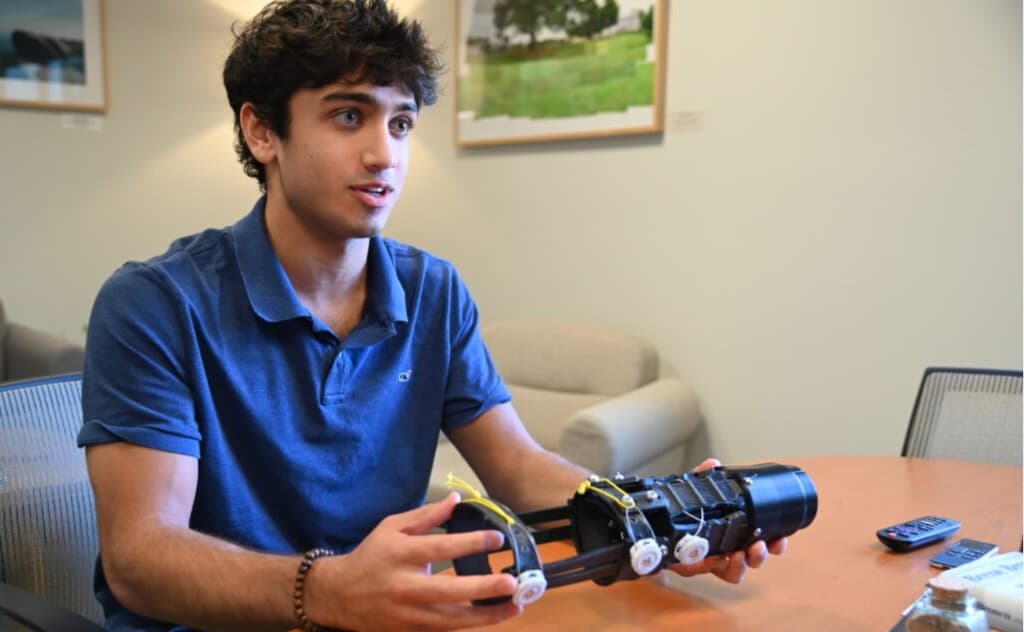
Traditional prosthetic sockets cost over $10,000 and require multiple appointments with a trained prosthetist. Mobilis is a universal-fit socket that costs $40 in materials and can be fitted in under five minutes.
Currently on pause · Scroll ↓
01 — The Problem
In most of the world, getting a usable prosthesis still means custom casting, multiple appointments, and a price tag that can hit $10,000 or more. For amputees in India, East Africa, Gaza, Ukraine, and dozens of other low-resource regions, that combination makes access nearly impossible. Even when devices are donated, poor fit means they sit in a closet.
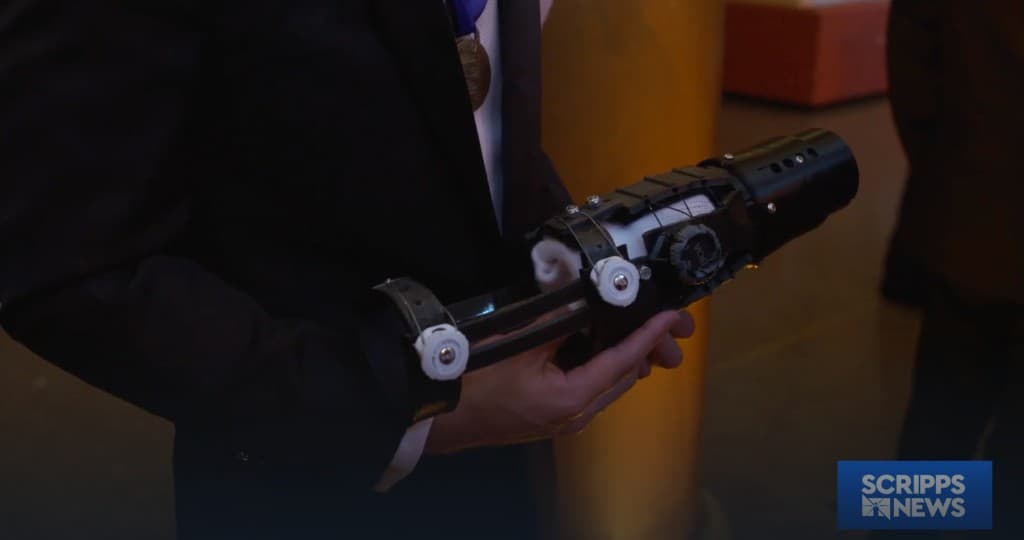
A patented socket architecture that adjusts on-body in real time — no casting, no waiting. A skin-safe silicone interface with engineered pressure distribution to reduce hotspots under load. Rigid carbon-fiber-infused prints paired with flexible TPU where compliance matters. The full system fits in under five minutes by minimally trained staff.
02 — The Technology
How the socket works
- MATERIAL COST
- ~$40 USD
- TRADITIONAL COST
- $10,000+
- FITTING TIME
- <5 MINUTES
- PATENT
- US 12,245,957
· per-unit material cost
· fitting time
· prototypes iterated
03 — The Work
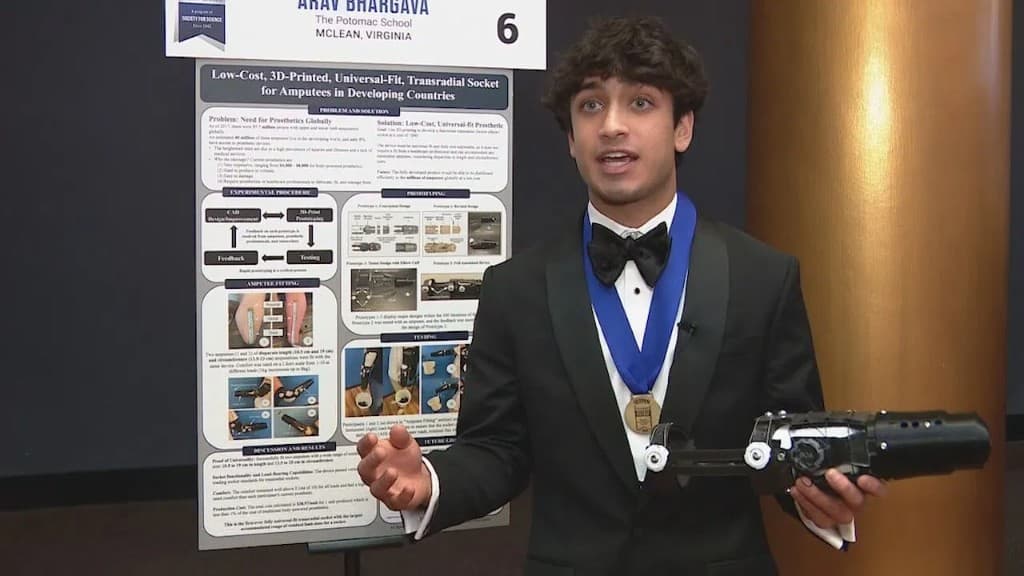
Mobilis was developed over several years and more than 300 prototypes by founder Arav Bhargava, with collaboration from prosthetists at Medical Center Orthotics and Prosthetics, researchers at George Mason University, clinicians at Walter Reed National Military Medical Center, and a research partnership with Morph Labs in neuroprosthetics — alongside direct feedback from amputees throughout the process.
04 — Recognition
Nationally Recognized
$27,000 award. US Patent 12,245,957, granted March 2025.
Mobilis is currently on pause.
Active development has slowed while the team considers the project's next chapter. Inquiries from researchers, manufacturers, clinicians, and organizations working in global prosthetics access are welcome.